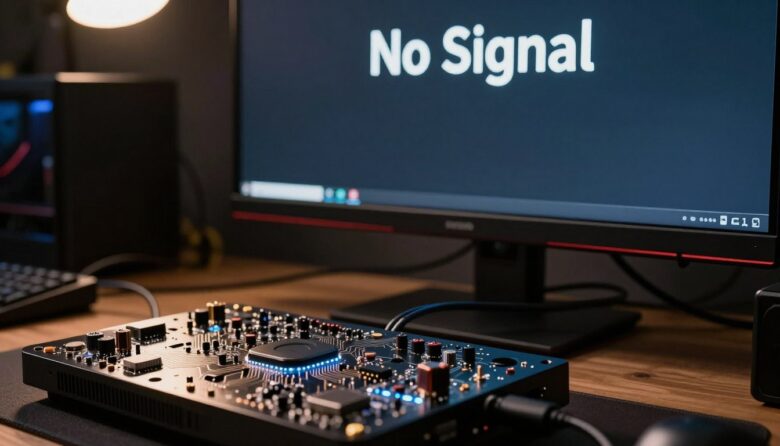
I often ran into the frustrating capture card no signal error when setting up my elgato game capture gear for streaming. It stopped my stream before it began, and I learned a few fast checks that solved most black screen problems.
I will walk you through simple steps using the elgato capture utility and common fixes for models like the game capture 4k60 and the game capture hd60. These steps focus on device settings, cables, and software updates so you spend less time troubleshooting and more time streaming.
By checking the elgato capture device settings, reading the latest release notes elgato, and confirming your cable connections, I fixed most issues quickly. I’ll also cover utility release notes and how to use the capture utility software to confirm a healthy setup.
Key Takeaways
- Start with physical checks: cables, ports, and power.
- Use the elgato capture utility to verify device input and firmware.
- Keep game capture software and utility releases up to date.
- Test with different HDMI sources like the cam link or console.
- Refer to release notes elgato and changelogs before deep troubleshooting.
Diagnosing the Capture Card No Signal Error
When my stream dropped into a black screen, I started a simple checklist to spot the root cause.
I noted a report from 3rd May 2017 where an Avermedia C985 on Windows 7-64 failed to detect a Sony Handycam. That helped shape my approach.
I test my elgato game capture gear and a game capture 4k60 across different machines. I also open the elgato capture utility to see if the device is listed.
- Check device detection: confirm the elgato capture device shows in the utility.
- Swap sources: try a different console or camera to rule out the source.
- Review logs: scan release notes elgato or changelogs elgato for known issues.
| Test | Tool | Expected Result |
|---|---|---|
| Device visible | elgato capture utility | Device listed and active |
| Alternate source | Console / Handycam | Video appears in preview |
| Driver/firmware | Device utility / software elgato | Matches latest release notes |
Checking Physical Connections and Hardware Integrity
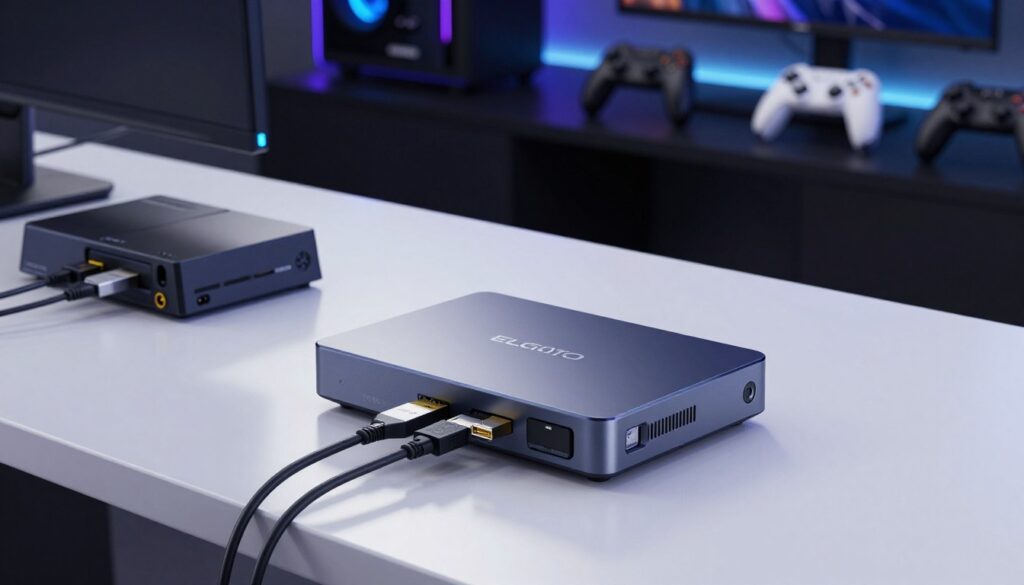
My first move is a hands-on inspection of cables and ports before I dive into software fixes. A firm, visible connection stops many streaming interruptions.
Testing Cables and Ports
I unplug and replug every HDMI and USB line for my elgato game capture and consoles. I look for frayed insulation, bent pins, or loose solder at the port.
I also swap to a known-good HDMI to test the game capture 4k60 and a *game capture hd60* unit. If the problem disappears, the issue is the cable or connector.
Inspecting Internal Card Seating
For PCIe units like an Avermedia C985, I remove the card and check the contacts for oxidation. Gentle cleaning and reseating in the slot often restores function.
After reseating, I open the elgato capture utility and the device utility to confirm the elgato capture device is listed. If it isn’t, consult the release notes elgato before deeper work.
- Tip: Test with the elgato chat link or a different console to isolate the fault.
- Tip: Power-cycle devices after reseating to refresh the connection.
Optimizing Software Settings and Driver Updates
I tightened my workflow by updating drivers and confirming software settings before streaming. Small software fixes often stopped a blank preview faster than hardware swaps.
“Keep your utility updated and check release notes before a session.”
Updating Capture Utility Software
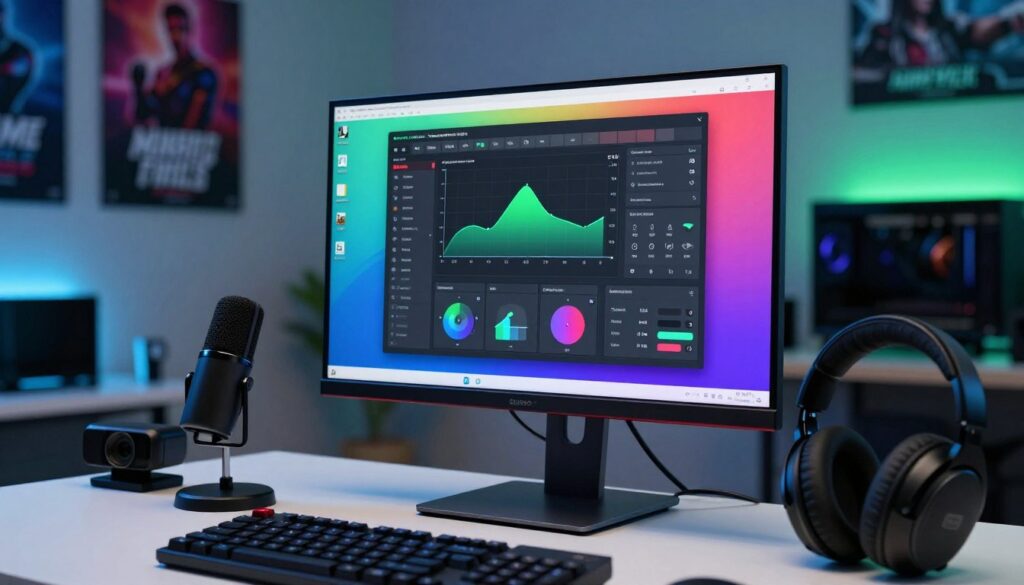
I open the elgato capture utility and compare the version to the utility release notes. When an update is available, I install it and reboot the system.
I also check firmware for my game capture 4k60 and my game capture hd60 so the device stays compatible with the latest release notes elgato.
Configuring Input Resolution and HDCP
Sometimes the Elgato Crossbar is locked at 720p. I unlock settings and switch to 1080p when the source supports it.
If HDCP blocks the feed, I disable it on the source or use a compliance-free input like an elgato cam link or the elgato chat link to confirm video flow.
Verifying Device Manager Status
I open Device Manager and the device utility to confirm the elgato capture device is recognized. If drivers show errors, I uninstall and reinstall the latest driver from the release notes page.
This routine keeps my setup — including the capture 4k60 pro and hd60 pro elgato — stable and stream-ready.
Conclusion
A step-by-step check of hardware and software saved me hours of guesswork. I found that small, repeatable actions fix most problems with an elgato game capture setup.
I recommend verifying cables, reseating devices, and installing the latest drivers before deeper troubleshooting. Keep your elgato game settings consistent and refer to utility release notes when unsure.
With routine maintenance and clear checks, restoring your setup is manageable. I hope this guide helps you get back to streaming and recording quickly. Stay proactive and you’ll avoid many future headaches.
FAQ
How do I fix a black screen when using my Elgato Game Capture device?
What should I test if my 4K60 Pro or HD60 Pro isn’t detected in Windows Device Manager?
Can HDCP cause a black screen with Elgato hardware and how do I disable it?
Which cables and adapters work best with Elgato devices like Cam Link and HD60?
How do I update the Elgato Capture Utility or Game Capture software safely?
Why does my signal drop intermittently when recording with a 4K60 Pro MK.2?
What do I do if Elgato software shows an error or the utility won’t launch?
How can I confirm my input resolution and frame rate are correctly set for capture?
Are there known issues listed in Elgato release notes that I should check?
My laptop won’t supply enough power for a USB capture device. What can I try?

Lucas Bennett is a video capture and streaming expert who specializes in helping creators build high-performance setups. He shares in-depth reviews, setup guides, and optimization tips focused on capture cards and real-time video production, making complex tech simple and effective.